
Hello hello hello, and welcome back to another week of Gaming Ramble Weekly, and this week is going to be something a little different than the usual pace of things that I’ve established with this blog. I’m going back to where I began this project, over a year ago, where the main focus of that iteration was on longer opinion pieces, looking at some of the biggest questions in the industry. Today, I really want to look at the impact of massive licensed IPs on the gaming industry, amidst what has been a really difficult couple of months when it comes to job losses.
What is the context here? Well last week, Sony Interactive Entertainment announced cuts of about 8% of its workforce, about 900 people, across many of its biggest studios, including Naughty Dog and Guerilla Games, as well as closing its London Studio in its entirety. The next day, EA announced job cuts of around 5% of its workforce, citing the ever changing nature of the industry as forcing them to restructure and “future proof” their games division. This is merely a continuation of the trend we have already seen in 2024, as Xbox laid off a significant number of people, and Embracer Group continue to axe jobs at studios they bought in anticipation of the Saudi money they were due to get, which ultimately fell through. All of this is happening despite the fact that consumption of games increased by 4% year on year.
It’s not reactionary or dramatic of me to say that the gaming industry is facing truly unprecedented times right now. The last two years have seen top level games release at a scary rate. AAA titles released in the last two years include Elden Ring, Horizon: Forbidden West, God of War: Ragnarok, The Legend of Zelda: TOTK, Star Wars: Jedi Survivor, Marvel’s Spider-Man 2, Mario Wonder, and Baldur’s Gate 3. And in no way is this an extensive list of game releases. Compare that with 2024, where PlayStation have already announced that they won’t be releasing any existing AAA franchise titles until after March 2025, and Xbox’s biggest release is an Indiana Jones game. 2024 is very much a lull year for the industry, and it wouldn’t surprise me to see 2025 or 2026 be a year of many large releases.
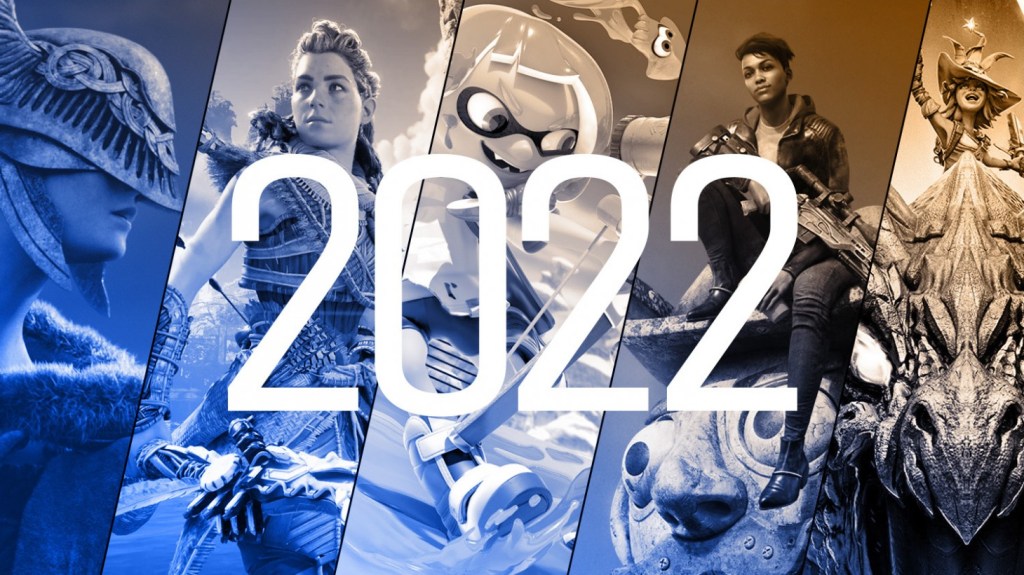
This poster from GameInformer highlights the number of huge game releases in 2022 alone, and doesn’t include God of War: Ragnarok
I’ve titled this week’s blog this way after a conversation I heard from the Free Roam podcast, hosted by Gaming YouTubers Luke Stephens and Jor Raptor, where they discussed the impact of licensed IPs on gaming studios. For those who aren’t sure, a licensed IP is essentially a title that is associated with large franchises, usually TV or movie properties, that the Studio making the game don’t own the rights to. Recently, we have seen a surge of licensed IPs dominate the gaming space, specifically Star Wars, Spider-Man and Harry Potter. Hogwarts Legacy was 2023’s highest selling game, a feat usually only reserved for Call of Duty, and last year alone saw three major licensed IPs release.
The biggest issue with these games is the impact it has on the studio in question’s ability to generate a profit when releasing these titles. According to Free Roam, Marvel took 26% of all revenue generated from Marvel’s Spider-Man 2. It had been previously reported that Insomniac needed to sell 7.2 million copies of Spider-Man 2 just to breakeven on the title. Had this been an original IP, this figure would have been reduced to 5.3 million, meaning using Marvel’s license resulted in Insomniac having to sell 1.9 million more copies of the game just to avoid making a loss. WIth Star Wars owned by Disney also, it would stand to reason that EA/Respawn would also be giving 26% of all revenue generated from the Jedi: Survivor series to Disney. This massively impacts the earning potential of the studios, and while these licensed IPs tend to generate higher sales figures, there’s no guarantee that they’ll make a profit.
Using Marvel’s license resulted in Insomniac having to sell 1.9 million more copies of the game just to avoid making a loss
It’s this reason that sees parent companies, especially Sony, favour studios that are only releasing original IPs, especially when it comes to job losses. In Sony’s most recent batch of layoffs, there were two very noticeable studios that suffered zero job losses, namely Sony Santa Monica, and SuckerPunch. Recently these studios have been responsible for some of PlayStation’s biggest hits of the last five years, namely God of War and Ghost of Tsushima. Both of these franchises guarantee 100% revenue for the studios, especially in Digital Sales (Physical Sales have additional costs associated with them of course). Interestingly, SuckerPunch seem to be one of PlayStation’s only first party studios that are gearing up for a game release in the next 18 months (Ghost of Tsushima’s sequel was rumoured originally for a 2024 release), and Sony Santa Monica have released two massive hits in the last five years, releasing an estimated total of 40 million units (which works out at about $2.4bn).
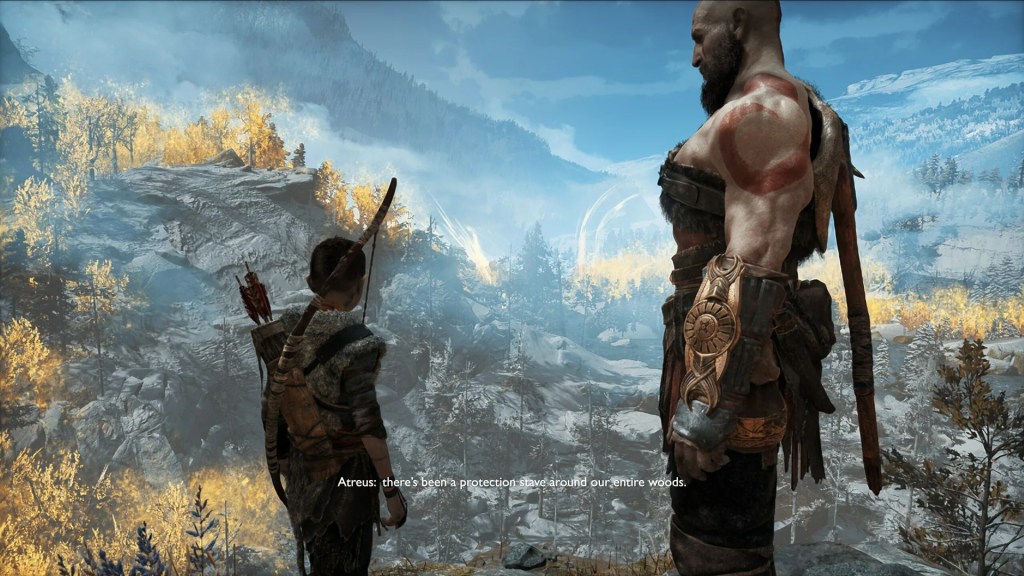
The last two God of War titles have generated an estimated $2,4bn for Sony, highlighting not only how successful GREAT single player story games can be, but the impact of ensuring game line-ups include original IPs
All of this, is merely the context of the problems we’re seeing, however, my biggest belief is that the current state of the industry is a result of executives placing their focus on live service titles. It was only yesterday (as of writing) that WB President J.B. Perette told investors that they would focus further on live service titles, citing that Hogwarts Legacy (the highest selling game of 2023) could have been even more profitable if it was a live service game, ignoring virtually EVERY REASON that the game sold well.
I will always be the first person to admit that my allegiances lie with PlayStation, but none of that changes the fact that Jim Ryan’s approach to live service titles has caused the company problems, with the original investment into 12 live service titles being reduced to just 6. Most notably, The Last of Us Online was cancelled, which has been rumoured to have had more than $100m spent on it before cancellation. The sooner that these companies wake up and realise that the live service model has a success rate of about 2%, the better, and the more secure jobs can become, in what executives keep telling us is “an ever changing market”.
And yes, we have seen some major successes in the live service space. Fortnite has taken over the world, and as I spoke about last week, Helldivers 2 has seen a huge level of success. But at the same time, many live service games are released that in all truth, no one really asked for, and because of this, servers are shut down only a year after the game’s release. It’s a problem that needs addressing, and my hope would be that we start to see a shift away from this attitude from major developers.
It’s been pretty brutal reading the latest gaming news, and while layoffs and redundancies are a part of life, it does feel that the current wave we’re experiencing is unprecedented and pretty unfair. As gamers, we just want to play the best games on offer, and the great thing about this industry is that we will all have different preferences, and will take different perspectives on games all of the time. But it does feel as though, recently, fanbases are more and more united on wanting better from the biggest companies in the space, and aren’t willing to settle for lacklustre or broken game releases.
Thanks for taking the time to read this week’s blog, I know it was a serious change of pace, but this is such an important moment in the industry that could impact us in the future. Hopefully next week there will be brighter news to talk about and to bring you! Have a great week, and I’ll chat to you next time!
 Gaming Ramble Weekly
Leave a comment