
The Last of Us. One of the most ambitious games ever made, and as impactful today as it was when it first released on the PS3 in 2013. A title that sent shock-waves through the industry, scoring a mega 95 on Metacritic, The Last of Us is not just a game, but a cinematic experience. A game that tugs on your heartstrings, makes you feel tension that very few games have achieved, and manipulates your emotions in no way a video game had ever done previously. If we take a step back and look at the gaming industry then, and fast forward to now, it is clear to see the scale of the impact this masterpiece had on the gaming industry.
The gaming industry was a very different beast just 10 years ago. Games were, funnily enough, all about the gameplay, where having fun, first and foremost, was what gaming was all about. That’s not to say that that isn’t the case now, but the focus is very different. We can look to the old God of War games that had a decent story, but the gameplay was very arcadey and enjoyable in its nature, often repetitive in a way that wouldn’t age particularly brilliantly now, but was very common for big gaming releases at the time. Taking a narrow view of the overall question at hand is the easiest way to approach this topic.
So let’s do that. Let’s have a look at Naughty Dog, the developers of The Last of Us, and see how they’ve evolved over time. The first huge hitter for Naughty Dog was Crash Bandicoot, which was released in 1996. An iconic game, even still today, Crash was a huge success for the company, selling 6.8 million copies on the original PlayStation. This game, and its two sequels, were of course entirely focused on its levels and gameplay, with a simple story told in the background.
I must make the distinction at this point that stating that a game focuses on its gameplay is not intended as an insult, and does not take away from just how good these games are. However, my intention is to understand just how much The Last of Us shifted what we come to expect from new AAA single player game experiences, a distinction that I will dive into later on.
From Crash Bandicoot, Naughty Dog moved onto Jak and Daxter, a game that in 2001 was seen to be a defining title for the PS2. Jak and Daxter was an action-adventure platformer, where world building played a big part in adding interest to the player. But again, the game’s focus was for the player to have a good time while playing, and didn’t take itself too seriously.
Skipping ahead to 2007, Naughty Dog developed and released Uncharted, one of the most beloved of Sony’s first party titles, and a series that ended up boasting 5 games over a ten year period. These games gave the first indication that Naughty Dog’s mentality was changing, as they used a lot more cutscenes to tell their story. The first three titles in the series (the titles in the series released before The Last of Us), had a story that at times was nonsensical, and used repetitive arenas for gun fights, but were praised for ushering in a new age of video games. Some of the set pieces in these games were way ahead of their time, and it showed Naughty Dog’s ambition to be industry leaders when it came to their game development philosophy.
“Uncharted…showed Naughty Dog’s ambition to be industry leaders when it came to their game development philosophy.”
On a side note, I have a distinct memory of playing Uncharted 2 on my Uncle’s PS3 when I was 11, and my sister would sit and watch happily as in her words, it was “like watching a movie”. For the two of us, this was the first time we had ever really seen anything like this in a video game. Fully acted scenes in a game with the level of graphics (which at the time were heralded for how good they were) was something that gripped us and kept us watching or playing the game. It’s only now, in retrospect, that we realise that the stories are a bit out there and silly.
The trademark of Uncharted was its gameplay loop, where essentially you would have the same gun fights over and over but in slightly different settings and with some varied enemies. This was what I would describe as “mindless” gameplay, meaning there would be very little thought on the player’s part to get through a level. Just aim, shoot, and move on to the next. Again, this isn’t a criticism, but merely an observation.
We now move to 2013, the PS3 is approaching the end of its cycle, with the next generation of console arriving in November of that year. Gamers were bracing themselves for a further increase in graphics quality, but little did they know that overall game quality was going to improve. I truly believe that 14th June 2013 was a momentous day in the gaming industry, the day in which The Last of Us released.
“I truly believe that 14th June 2013 was a momentous day in the gaming industry”
For those who haven’t played The Last of Us, this was a game that truly redefined what a game could be, demanding the full attention of the player for the 15 hour campaign, and providing a level of realism and immersion that was truly groundbreaking when the game released. The game is set during an apocalypse caused by a fungal parasite, and follows Ellie, a teenager who is the only person in history to be immune to this virus as it were, and Joel, the equivalent of a mercenary hired to escort Ellie to a safe location. We play the majority of the game as Joel, although there are a few sections where we play as Ellie. The story sees these two encounter various different people during their journey, and as such, some interesting subplots are told throughout the main arc of the story.
The Last of Us was revolutionary, as it really focused on the story it was telling, while using the gameplay to better the relationship between the player and the characters. This was one of the first games to truly be an emotional experience, and during the game’s development, writer Neil Druckmann was insistent that he wanted this to rival a cinematic experience, and wanted this game to create a new genre of media. The focus was to manipulate the emotions of the player, giving the experience that the player was somehow a part of Joel and Ellie’s story. Telling the story through cutscenes, allows the player to understand the emotions of the characters and form a bond with them, but the real jewel in the crown of this game is the way in which gameplay is utilised to allow the player to feel the emotions that the characters are experiencing during these gameplay instances. No game had ever ventured so deeply into this realm before, and it created an experience that was unlike anything that had been seen previously in the industry.
The success of The Last of Us saw an immediate shift in the development ethos of Uncharted 4, seeing the series move away from its fantastical, often nonsensical story beats, and becoming a more emotionally charged story driven experience, with more grounded gameplay elements. This shift paid off well for Naughty Dog, with Uncharted 4 receiving an overall metacritic rating of 93, and the game in the series that has aged the best in my opinion (however being substantially newer does help this).
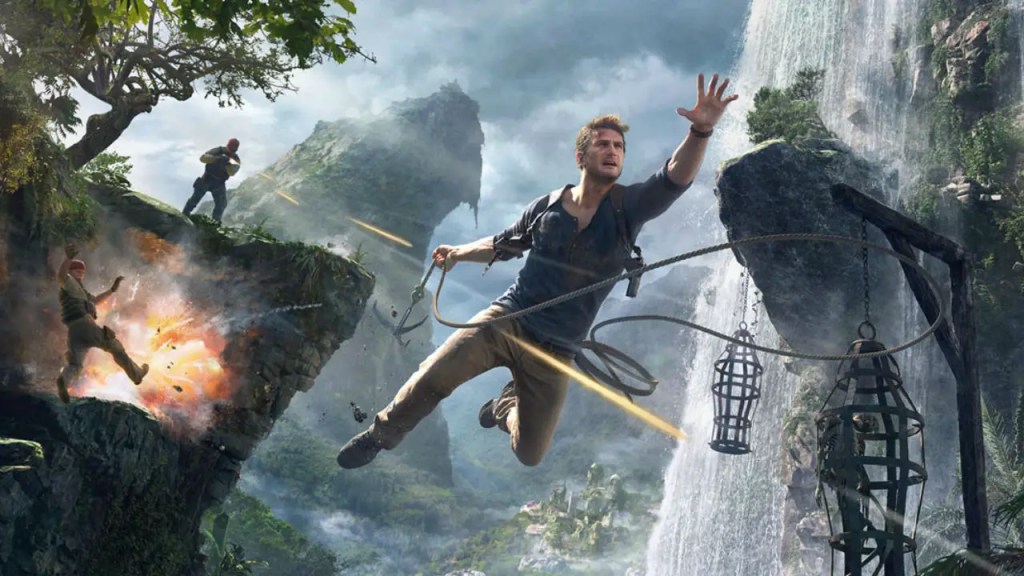
The success of The Last of Us shifted the development mindset for Uncharted 4, a game totally set apart from the others in the series in style and focus.
This shift wasn’t just seen within Naughty Dog, but soon became apparent within the Gaming Industry as a whole, but more specifically, within Sony. The PS4/Xbox One generation saw Sony focus on releasing the best single player experiences possible, a shift I believe came about because of the success of The Last of US. The experience from that game showed there was a space in the industry for cinematic single player story driven experiences, where players could grow an emotional connection to the protagonist of the game.
Highlights of the single player story driven experiences released by Sony since The Last of Us include: Horizon Zero Dawn, God of War (2018), Marvel’s Spider-Man (a game whose story is largely under-rated in my opinion), Detroit: Become Human, Days Gone, Ghost of Tsushima, and of course, The Last of Us Part 2. These games, I believe, exist in the way they do simply from the impact made by The Last of Us.
Let’s take Horizon Zero Dawn and Ghost of Tsushima as examples. These games both exist within the Open World genre, where the sheer size of the world, and the often checkboxing nature of the game can get in the way of the storytelling. These games can be so big that a lot of players struggle to reach the end of the story, as they’re so worn out by the amount of content within the game. One of the biggest examples of this comes from the shift in design philosophy of Assassin’s Creed. The last three titles are huge open world action RPGs, and the story of the games has suffered as a result of this. Looking at the most recent title in the series, Valhalla, the story takes 80+ hours to complete by itself, and that’s before we take the side content into consideration.
But what Horizon and Ghost achieved was to tell an emotionally driven story and weave it through its open world. The intrigue came through the world building, and this helped to give the player more context into the character’s thoughts and feelings, building the connection to a character the player would spend 40+ hours with. Don’t get it wrong though, these games are story driven in nature, we need only look to Breath of the Wild to see the difference, a game where the story often takes a backseat in support of the freedom offered to the player in its world.
Another franchise I feel needs to be mentioned specifically is God of War, one of the most beloved of Sony’s first party franchises, which saw a big shift away from the “arcadey” style of play in the first iterations of the series, to a far more grounded, story driven experience in the 2018 smash-hit simply titled “God of War”. Again, this game focused far more on establishing a deep connection between the player and Kratos, the game’s protagonist, a connection that would allow most players to experience a whole variety of emotions, often the same emotions that Kratos himself would be feeling throughout the story, something that would never have been experienced in the previous titles in the series.
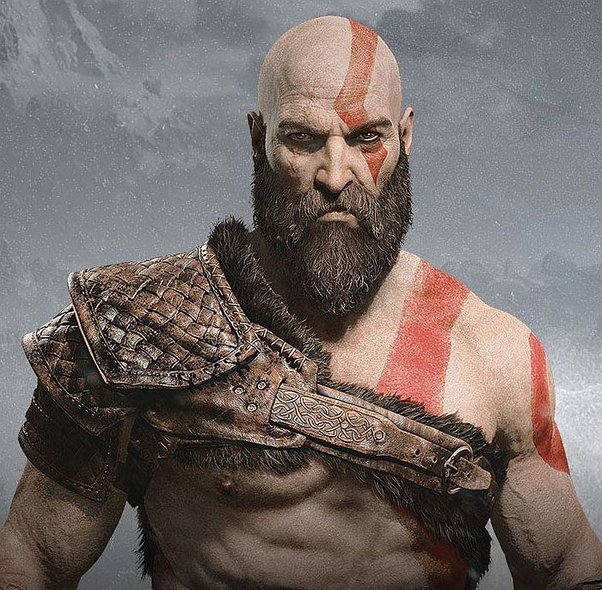
The success of both God of War (2018) and God of War: Ragnarok highlight the importance players now place on the stories being told in video games, a shift that I feel was set in motion by The Last of Us showing the industry what was possible in terms of storytelling.
So what was it specifically that The Last of Us did that changed the formula that would become expected of big AAA story driven experiences these days? Well, I feel that the big change came in the way in which the main protagonists of the game were presented. No longer was the main character a one dimensional person who killed people to progress the story, without this being addressed, but Joel and Ellie were fully realised characters, like the main characters of a TV series. We see backstories for characters, and see their emotional reactions to events that make us as players relate to them more. Again, this is what sets the new era of God of War apart from the older games. Kratos is a character who experiences a wider variety of emotions, and while we still see his rage came through, he is fuelled by much more than this throughout the story, and this allows us to connect with him on a deeper level.
So to answer the question posed in the title of this post, I firmly believe that The Last of Us was hugely responsible for the change in focus of single player experiences that we see in the industry today. That’s not to say that without it, this would never have happened, as I’m sure we would have seen other games come to a similar conclusion, however I feel that it’s no coincidence that it took four to five years after the release of The Last of Us for a wave of high quality emotional story driven games to release. Games nowadays need four to five years to be released, gone are the days where sequels come out a year or two after the original, and so it really is only in the last five years that we’ve seen the impact The Last of Us had on the industry.
With the remake releasing last year (as of writing), it is clear to see that this game still has a huge impact on players to this day, with the “definitive” edition of The Last of Us reminding those just how important the original release was all those years ago. The Last of Us was a game truly ahead of its time, and a trailblazer that paved the way for many successful games to come, creating an entirely new genre of cinematic gaming experiences. It is still not clear just how much of an impact The Last of Us will have had on the industry as a whole, but over time, as more new games are released, I’m sure that we will see the legacy that this game will have for years to come.
 Gaming Ramble Weekly
Leave a comment